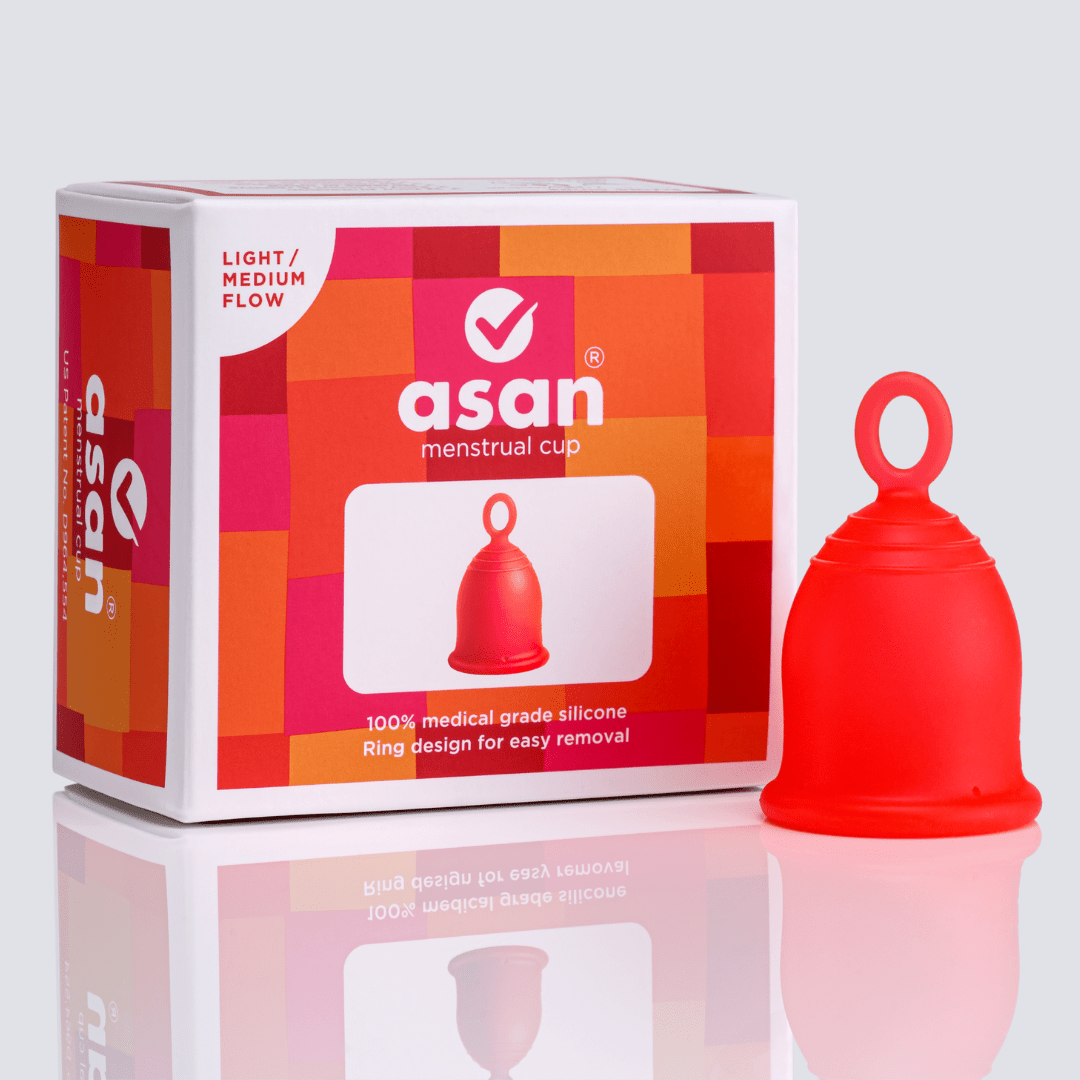


1. Don't share your menstrual cup
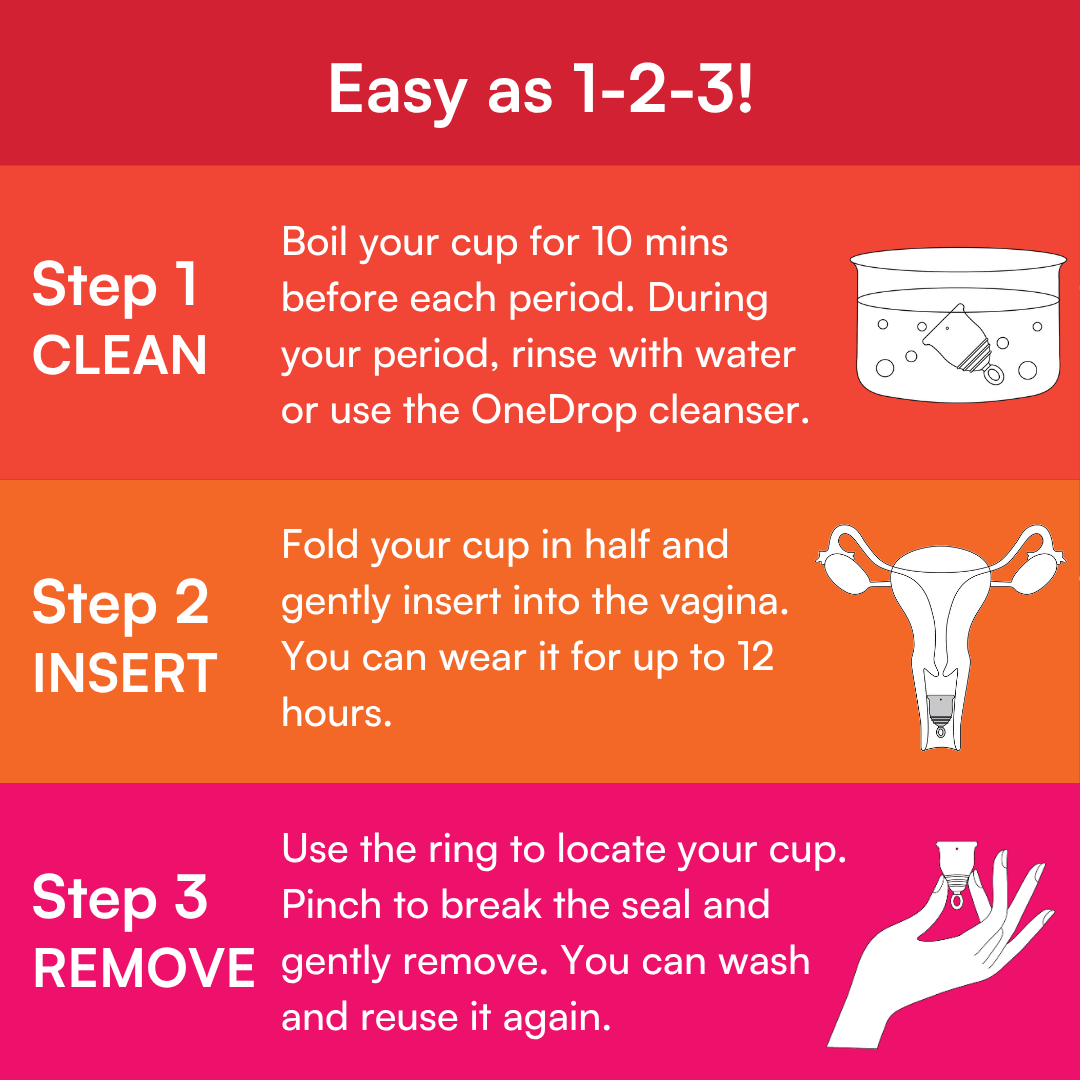
2. Don't wear it for more than 12 hours


3. Don't use a menstrual cup without consulting your doctor if you have an IUD
4. Don't pull the cup out without breaking the seal
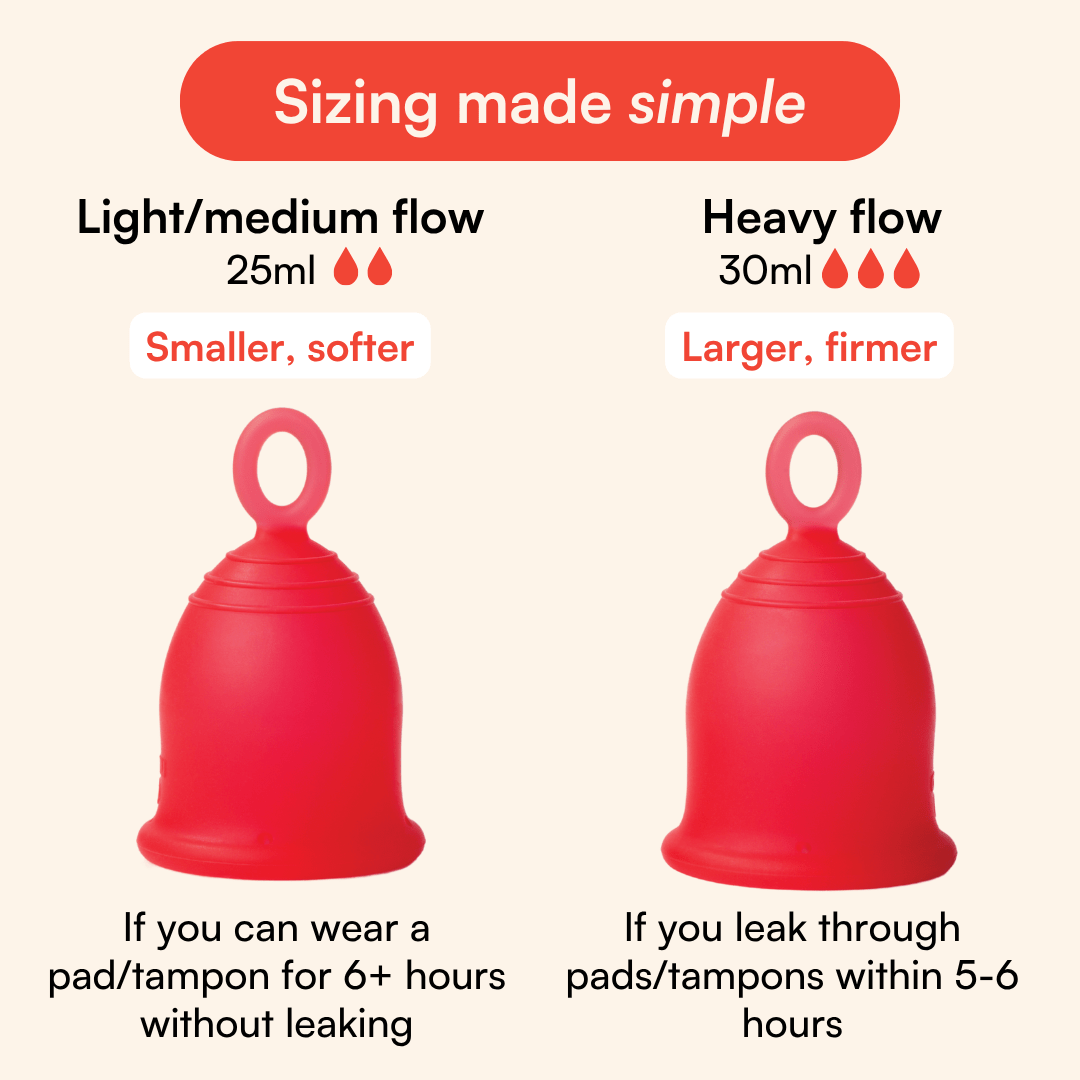
5. Don't choose the wrong size


6. Don't skip sterilising your cup
7. Don't use a menstrual cup for postpartum bleeding
The bottom line
More Posts
View all-

The ultimate guide to women’s health vaccine in India
Here is a straightforward guide to every vaccine recommended for women in India, from adolescence through pregnancy and beyond.
The ultimate guide to women’s health vaccine in India
Here is a straightforward guide to every vaccine recommended for women in India, from adolescence through pregnancy and beyond.
-

Should I get the HPV vaccine?
Here's a straightforward breakdown of who is eligible for HPV vaccine, what the vaccine actually does, and when it makes sense to get it.
Should I get the HPV vaccine?
Here's a straightforward breakdown of who is eligible for HPV vaccine, what the vaccine actually does, and when it makes sense to get it.
-

7 things you shouldn't do with a menstrual cup
Menstrual cups are safe, sustainable, and built to last, but only when used correctly. From infection risk to removal technique, here are seven mistakes worth knowing about before you start.
7 things you shouldn't do with a menstrual cup
Menstrual cups are safe, sustainable, and built to last, but only when used correctly. From infection risk to removal technique, here are seven mistakes worth knowing about before you start.
-

Hormone-balancing seed cycling guide for every phase
Seed cycling is a simple, food-based approach to supporting your hormones throughout your menstrual cycle. Eat specific seeds during each phase to provide nutrients that may support oestrogen and progesterone...
Hormone-balancing seed cycling guide for every phase
Seed cycling is a simple, food-based approach to supporting your hormones throughout your menstrual cycle. Eat specific seeds during each phase to provide nutrients that may support oestrogen and progesterone...


